You can make a juice-style drink with a blender, water, and a strainer. It will take an extra step compared with a juicer, but the method is straightforward. You can also skip straining and keep the pulp for a thicker blended drink. Neither choice is automatically healthier; it depends on what you want to drink and how it fits into the rest of your meals.
What you need
Use a blender, a fine-mesh sieve or clean nut milk bag, a bowl or pitcher, and fresh produce. Wash fruits and vegetables under running water before cutting them, including produce you intend to peel. The FDA recommends washing produce before preparing it. Cut firm ingredients into small pieces so the blender can catch them. Add enough water to keep the blades moving; you can always adjust the amount in the next batch.
Blender-to-glass method
- Put ½ cup cold water in the blender, then add about 1½ cups chopped produce.
- Blend until the mixture looks evenly broken down. Stop and scrape the sides if needed.
- Set a sieve over a bowl and pour in the blend. Stir or press lightly with a spoon. A nut milk bag gives a finer result; squeeze it with clean hands.
- Taste before serving. Add water if strong, or a little citrus if the flavor feels flat. Chill and serve promptly.
Yields vary widely: cucumbers release more liquid than carrots, and a finer strainer leaves more pulp behind. If your blender struggles with raw carrot or beet, grate it first or choose softer produce.
Three combinations to try
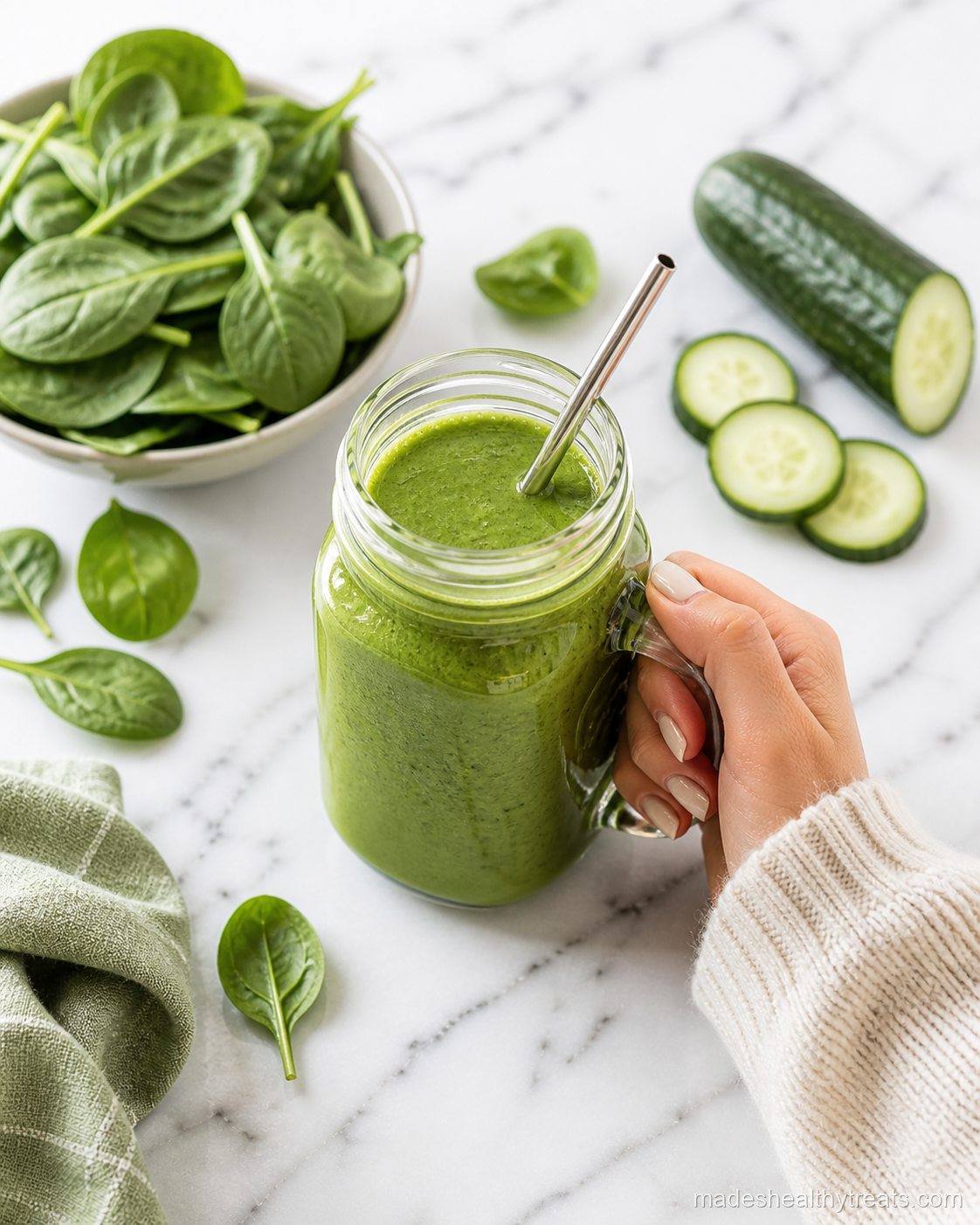
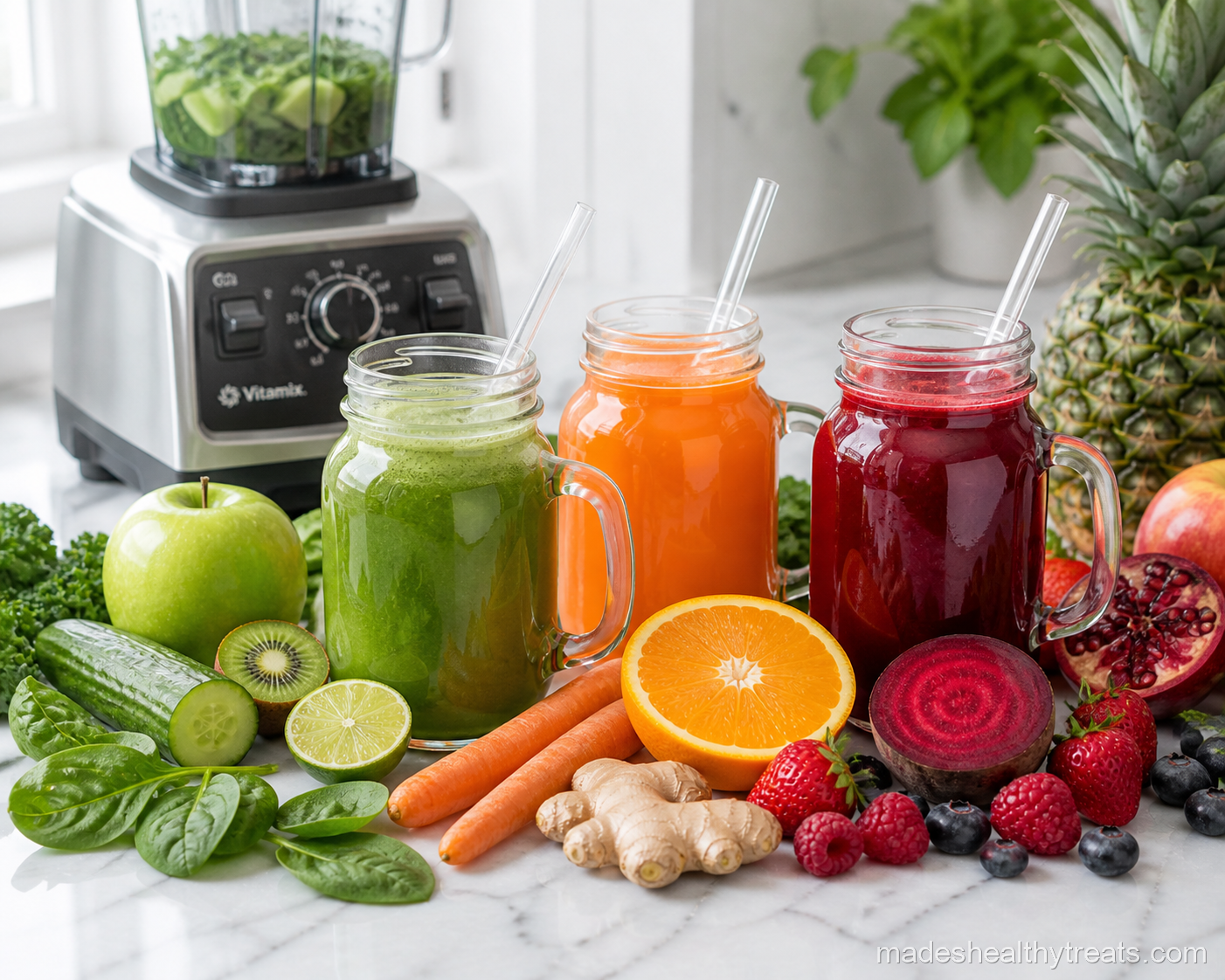
Cucumber, apple, and lemon: Blend 1 chopped cucumber, 1 cored apple, 1 tablespoon lemon juice, and ½ cup water. This is light and crisp. Leave the apple peel on after washing if you like.
Carrot, orange, and ginger: Blend 1 small grated carrot, the peeled segments of 1 orange with seeds removed, a thin slice of ginger, and ½ to ¾ cup water. It has more body, so strain slowly. Start with a very small piece of ginger; it can dominate the orange.
Pineapple and cucumber: Blend ¾ cup pineapple chunks, ½ cucumber, and ½ cup water. Add a squeeze of lime after blending. This is the easiest one to leave unstrained if you prefer the texture of a smoothie.
What to do with the pulp
Straining leaves edible pulp. Apple and carrot pulp can be stirred into oatmeal or a batter if the texture works for you. Cucumber-heavy pulp can be mixed into a savory dip. You can also compost it. If you want the whole blended fruit or vegetable in your drink, simply don't strain it.
Can you make a batch for the week?
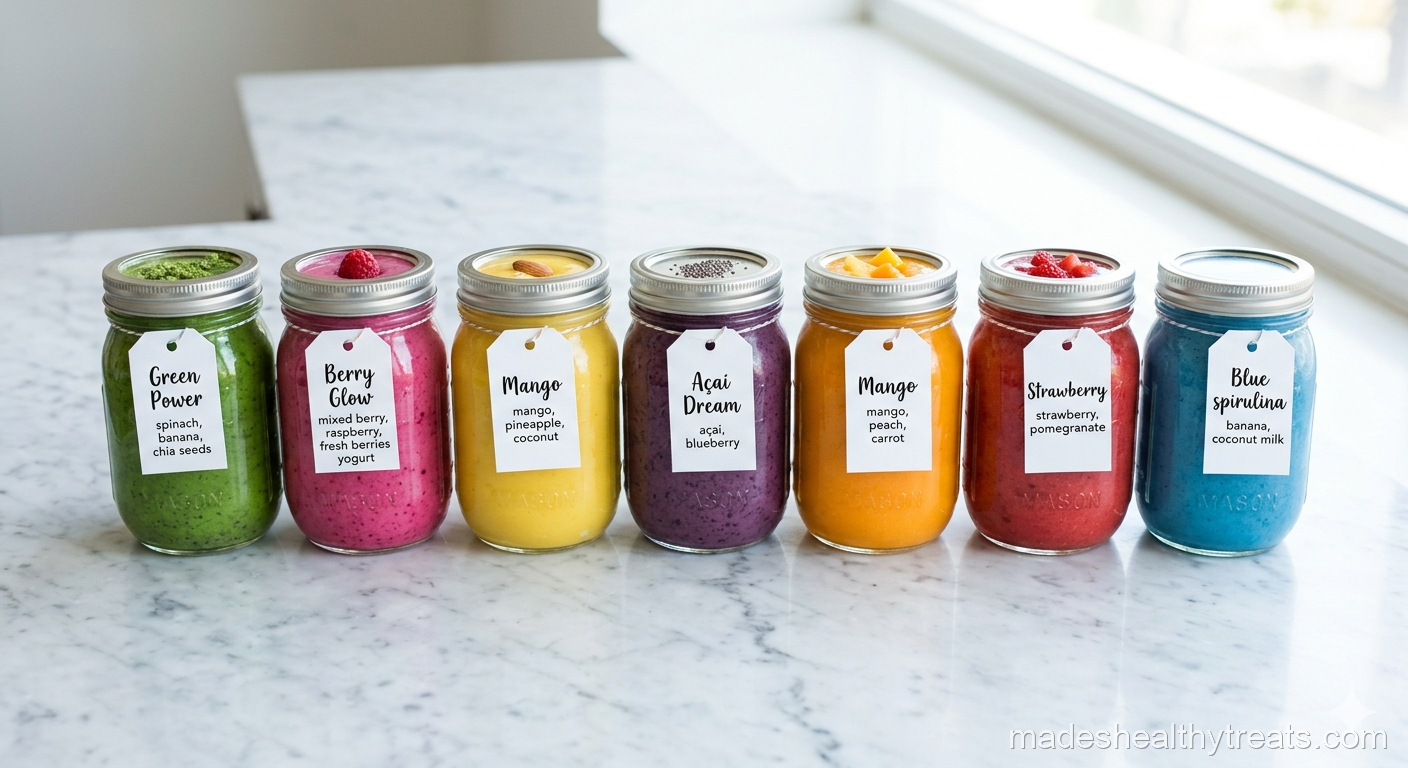
Fresh homemade juice is unpasteurized, so a small batch made close to serving is the simplest choice. Refrigerate a prepared drink promptly in a clean, covered container. Do not assume it is shelf-stable because it contains lemon. People at higher risk from foodborne illness should pay particular attention to the FDA's advice on untreated juice; pregnant people are advised to choose pasteurized or otherwise treated juice.
For a version with clear steps and a specific ingredient list, try our carrot ginger juice recipe. For a thicker drink that keeps the pulp, browse the smoothies.