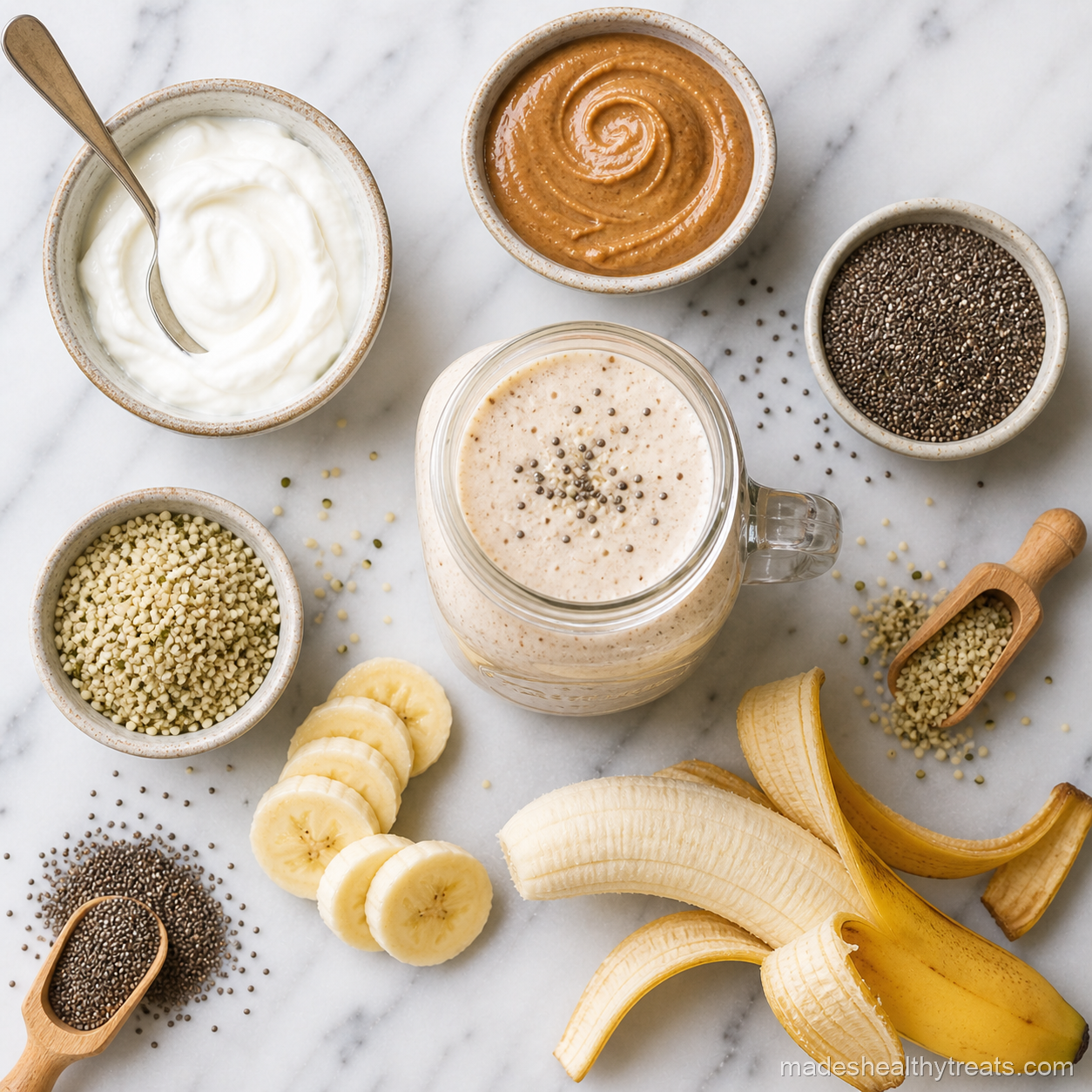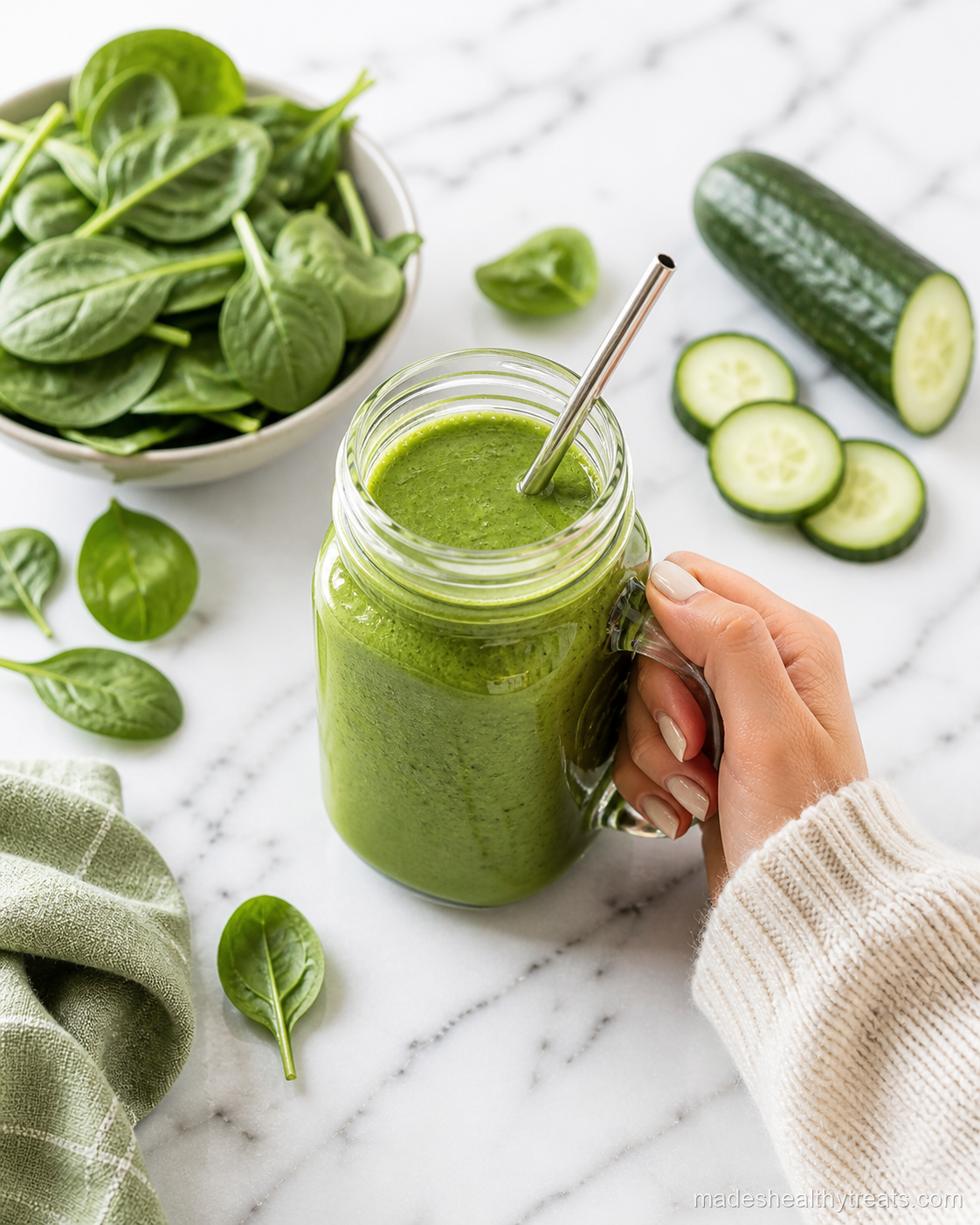
A green smoothie is one way to combine fruit and leafy greens. The ingredients and quantities tell you more than a daily challenge or a promised result.
What's in a green blend
- Spinach: contains folate. USDA ingredient record.
- Banana: contains potassium. USDA ingredient record.
- Cucumber: contains potassium. USDA ingredient record.
A measured starting point
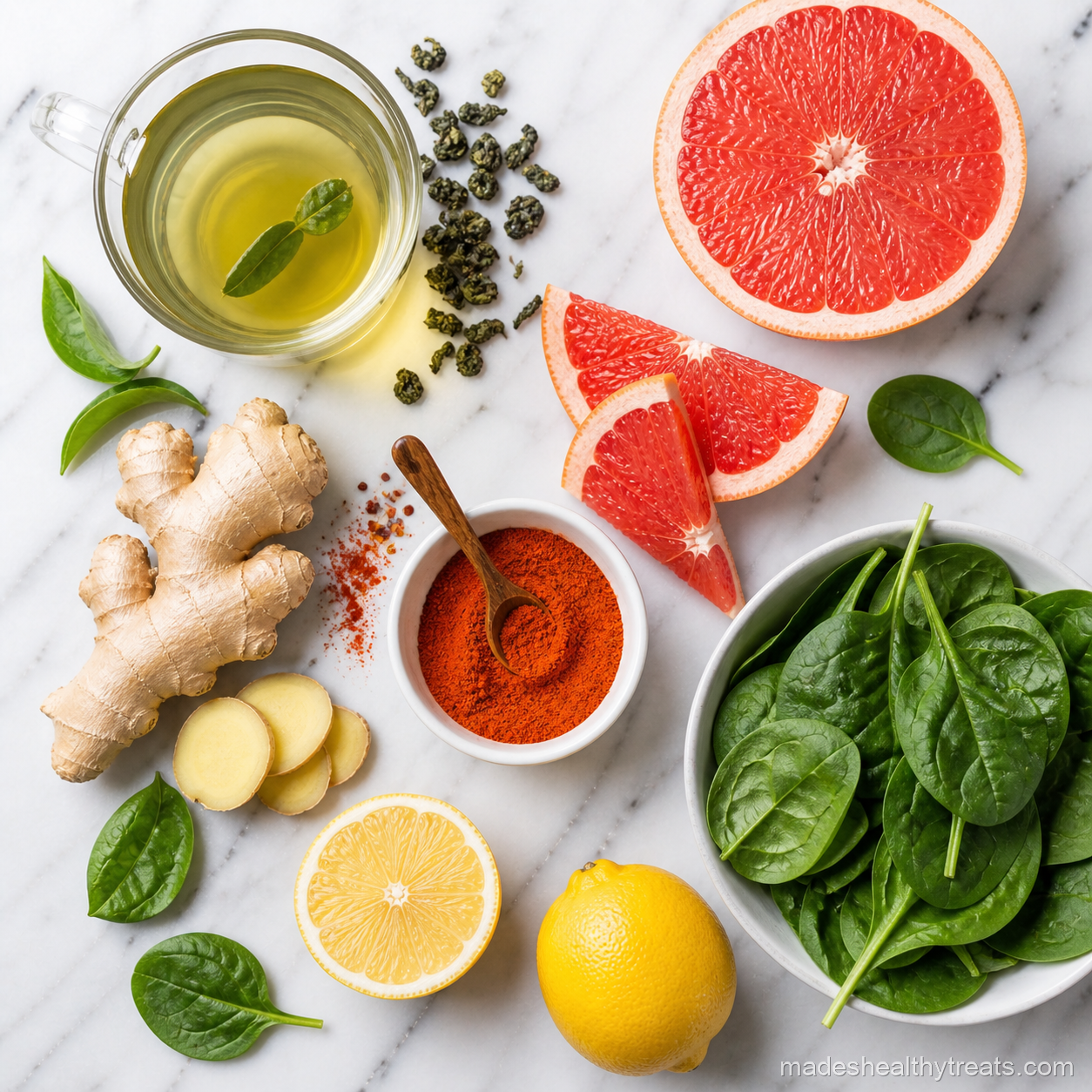
For one large glass, use one cup cold water or milk, one packed cup baby spinach, one small frozen banana, half a cucumber, and a squeeze of lemon. Add one teaspoon grated ginger only if you want it.
Blend the liquid and greens first. Add the remaining ingredients and blend until smooth. Taste before adding more fruit, lemon, or water. Stop the blender before scraping or adjusting it.
Adjust the recipe, not the promise
Add liquid a few tablespoons at a time if it is too thick. If it is too thin, add a little more fruit or yogurt. Check milk and yogurt labels if using them: a substitution changes the ingredients and nutrient profile.
Make it fit your routine
You do not need a fixed time or a daily challenge to use this recipe. The USDA records describe ingredient nutrients, not guaranteed changes to skin, weight, or energy.
For the full version, see spinach cucumber banana smoothie. Cover and refrigerate a prepared drink promptly.
Choose greens you can use consistently
Start with the greens in the recipe rather than buying several bunches at once. Check the leaves, remove spoiled material, and wash fresh produce unless the package says it is ready to eat. Thick stems and large leaf pieces can require more preparation than tender leaves. Measure the prepared amount; an entire bag is not the same as one packed cup.
Prepare in the order that helps the blender
Blend the liquid and greens before adding firm or frozen ingredients. Cut cucumber and banana into pieces suited to the machine. If using a small personal blender, follow its filling order and capacity instructions instead. Stop the machine before scraping it. More blending time cannot correct a jar that is overloaded or contains too little liquid to circulate.
Substitute one ingredient at a time
Frozen mango or berries can replace banana in a trial, but they change the fruit component as well as thickness. Plain yogurt adds a different base and may call for less liquid. Plant-based milk is another option, but use its label rather than the dairy reference for nutrient information. Keep the greens amount steady while trying a new fruit so you can understand which change affected the result.
Common mistakes with a daily routine
Preparing the same recipe repeatedly does not require making a large pitcher. Assemble individual ingredient portions if that suits your routine, then blend only what you plan to use. Do not keep adding ingredients simply to make the green color disappear. Adjust the recipe in a small sample and check thickness before adding more sweetener or liquid.
Store portions, not an open blender jar
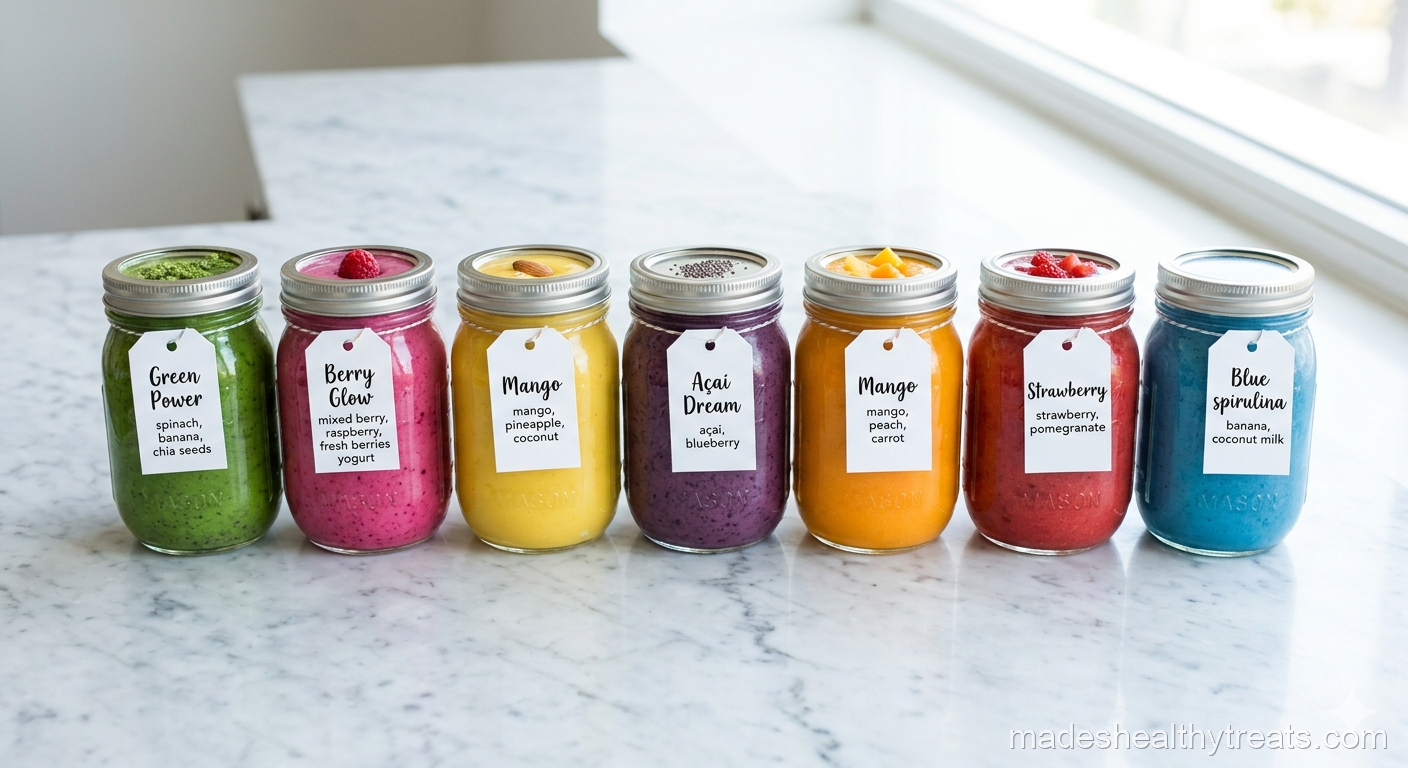
Transfer any finished smoothie to a clean covered container and refrigerate promptly. For ingredient packs, label the contents so lemon juice or yogurt is not accidentally included twice when blending. Keep frozen ingredients frozen and add the specified liquid when you prepare the drink.
Short FAQ
Does it have to be a breakfast drink?
No. Choose the timing and portion that fit your meal.
Can I use fresh banana instead of frozen?
Yes, as a variation, but it changes the temperature and texture; add liquid cautiously.