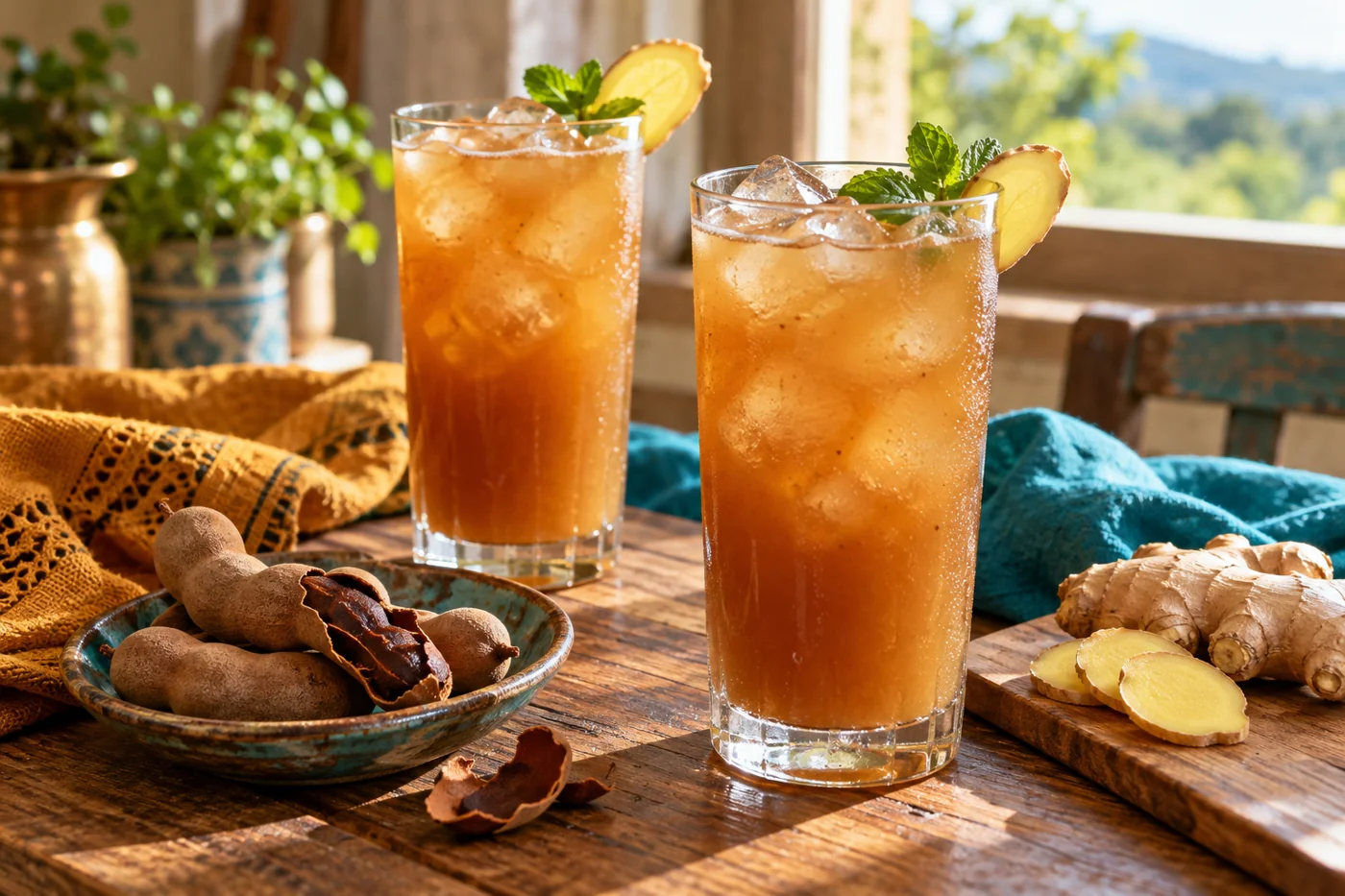
What you will need
Yield: 4 small glasses (about 4 cups before ice). Final volume changes with fruit, straining, and liquid adjustments.
 75 g plain unsweetened tamarind pulp block, including any seeds
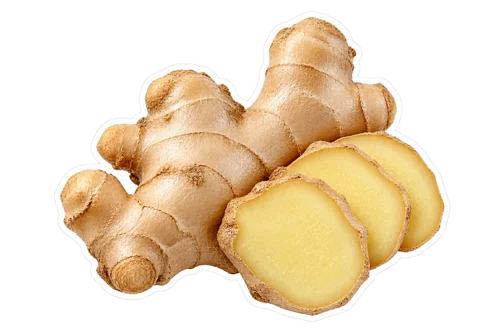 10 g fresh ginger, washed and thinly sliced
- 2 cups water for extracting the pulp (480 ml)
- Cold drinking water to bring strained drink to 4 cups (960 ml total)
- Optional: 1–2 tablespoons sugar, to taste
- Ice for serving; optional washed mint sprigs for garnish
How to make it
Break the tamarind block into smaller pieces and put it in a heat-safe bowl. Inspect the ingredient label: this method is for plain fruit pulp, not a sweetened sauce, chutney, or highly concentrated liquid.
Put 2 cups water and the sliced ginger in a small saucepan. Bring to a boil, reduce the heat, and gently simmer for 3 minutes. Pour the hot ginger water over the tamarind. Cover and let it soften for 15 minutes.
When comfortable to handle, use a spoon or potato masher to loosen the pulp in the water. Do not put hard tamarind seeds into a blender. The mixture can look thick and fibrous at this point.
Set a fine sieve over a heat-safe measuring jug. Pour in the mixture and press gently with a spoon to extract the pulp and liquid. Discard the seeds, tough fibers, and ginger pieces caught in the sieve.
While the liquid is still warm, stir in 1 tablespoon sugar if using. Add cold drinking water to bring the total strained drink to 4 cups. Taste, adding more water or the second tablespoon of sugar only if wanted.
Let the drink stop steaming, then refrigerate promptly or serve over ice in suitable glasses. Stir the jug before pouring; some settling is normal. Do not pour very hot liquid directly into a cold ordinary drinking glass.
What makes this a cooler?
For this collection, a cooler means a chilled mixed refreshment rather than a claim about a special extraction machine. Tamarind is softened in water, strained, and diluted with more water; ginger adds another flavor. The result belongs on our Juices & Drinks page alongside blender juices, even though its preparation is different. You do not need a juicer, blender, or expensive tea equipment. The most useful tools are an ordinary saucepan, a heat-safe bowl, a sieve, and a jug with a volume mark.
Choose the right tamarind before starting
Read the product label before deciding which method to follow. Tamarind may be sold as whole pods, a compressed pulp block, a loose purée, a concentrated liquid, or a sweetened sauce. The name on the front is not enough to establish the strength. This recipe is measured for a plain unsweetened pulp block, with seeds allowed in the weighed amount because they will be strained out. Avoid products with savory seasonings or ingredients intended for a finished cooking sauce. Keep the package nearby so you can check storage directions for what remains.
If you are starting with fresh pods
Crack away the brittle outer shells and pull off the obvious stringy veins. For a first trial of this method, weigh 75 g of the exposed fruit with its seeds still inside, rather than 75 g of whole shelled pods. Proceed with the hot ginger water, softening, mashing, and straining steps. Fresh pods can need 1–2 hours to become fully soft, so do not use the pulp-block recipe’s 15-minute soak as a fixed limit. Allow this extra time before mashing. Pod varieties and moisture levels differ, so this is a practical starting batch rather than a promise of an identical strength. Taste the strained base before final dilution. If it is gentle already, add cold water gradually rather than automatically making a very large pitcher.
Concentrate needs its own small trial
Do not replace the pulp block with 75 g of concentrate. Instead, follow the product’s drink dilution instructions if available. If the label gives no drink ratio, try a teaspoon in a cup of water as a small flavor trial, then adjust gradually; this is not a universal conversion. Prepare a small ginger-water batch separately, strain it, and use some of that as the dilution liquid. Concentrates vary too much for us to give one reliable block-to-liquid exchange. Avoid sweetened products if you want to control the sugar in the recipe yourself.
Get the pulp through without getting seeds through
Use a sieve fine enough to hold the hard seeds and stringy fibers, with a bowl or jug firmly beneath it. Press the softened fruit with the back of a spoon and stir it around the mesh. Stop when the remaining material is mostly seeds and tough fibers; you do not need to force every scrap through. If the liquid has bits you find unpleasant, strain it again through a clean finer mesh. A slightly cloudy drink is expected from this pulp-based method. Clarity is a preference, not a requirement to make the drink successful.
Balance sourness before chasing sweetness
Taste the strained drink after dilution and before adding the second tablespoon of sugar. If the sour flavor feels too concentrated, a little water may help more than immediately adding extra sweetness. If the flavor is pleasant but simply too tart for you, dissolve a little more sugar in a sample cup and compare it with the plain drink. Keep the final amount you enjoy in a note. We do not call this a low-sugar recipe or calculate nutrition without a documented ingredient basis; the optional sweetener is a taste choice.
Choose a gentle or stronger ginger finish
Start with the measured 10 g and the short simmer. Thin slices let you repeat the preparation more easily than an unspecified large chunk. For a gentler next batch, try 5 g while leaving the tamarind amount and dilution unchanged. For a more pronounced ginger flavor, try a modest increase in the next small batch. Change one variable at a time so you can understand the result. If the current pitcher is too gingery, dilute a sample first rather than trying to cover the heat with a large amount of sugar.
Make two glasses or a pitcher
For about two cups before ice, use 37–38 g pulp block, 5 g ginger, and 1 cup hot extraction water; top the strained drink up to 2 cups with cold water. Start with ½ tablespoon sugar if using. For the four-cup recipe, keep ice in the glasses rather than melting a large amount into the pitcher while it waits. That lets each glass begin with a similar drink strength. Serve with a spoon or stirrer nearby because the fine pulp can settle. A small batch is easier to adjust than a very large one.
A serving idea that keeps the fruit in focus
The natural amber-brown color is part of the appeal. Serve the cooler in clear glasses with a few ice cubes, using a turquoise napkin or colorful coaster if you enjoy a bright table. A washed lime wedge is an optional garnish, but taste before squeezing it: tamarind already brings tartness. You can also pour a small amount of the finished cooler into sparkling water as a separate serving experiment. This recipe is written for still water, so treat a fizzy version as a personal variation rather than changing the whole pitcher at once.
Where the preparation idea comes from
Tamarind drinks are prepared in different ways across many kitchens. Chef Rick Bayless describes soaking and straining tamarind for an apple-tamarind agua fresca and discusses alternative tamarind products. That source is useful for understanding the ingredient forms, not evidence that our ginger cooler is a traditional recipe from a particular country. Our version has its own measured small batch and ginger step. We keep the name descriptive and explain the method instead of attaching an invented origin story or a health promise to a familiar fruit.
Serving and keeping a portion
Prepare a small batch close to serving for the texture and temperature you enjoy. If saving some, cover and refrigerate promptly. Stir before serving and use any opened packaged ingredients according to their labels. Citrus and ginger do not make a homemade drink shelf-stable. Keep utensils and containers clean and handle cut produce and dairy or plant-based ingredients with care.
FoodSafety.gov recommends refrigerating perishable food within two hours, or one hour above 90°F, and keeping the refrigerator at 40°F or below.
Questions before you begin
Can I skip the sugar?
Yes. Make the strained, diluted base first and taste it. If unsweetened tamarind is too tart for you, dilute a little or choose a smaller serving; you do not have to use the full suggested sugar amount.
Can I blend the whole softened block?
Only fruit material that is completely free of hard seeds and fibers should be considered for blending. This recipe uses mashing and straining so a blender is unnecessary.
Is this tamarind juice?
Names vary in everyday use. We call this version a cooler because it combines strained tamarind, ginger, water, and optional sweetener for a chilled mixed drink.
Preparation sources and recipe standards
These sources support specific ingredient forms and preparation choices. They do not establish kitchen testing of this recipe or health effects of the finished drink.
We use AI-generated photography-style images and ingredient cutouts. Actual appearance varies with ingredients and preparation. We do not describe this recipe as kitchen-tested. Read our recipe standards, and share a specific correction if a quantity or preparation step needs attention.